What we built.
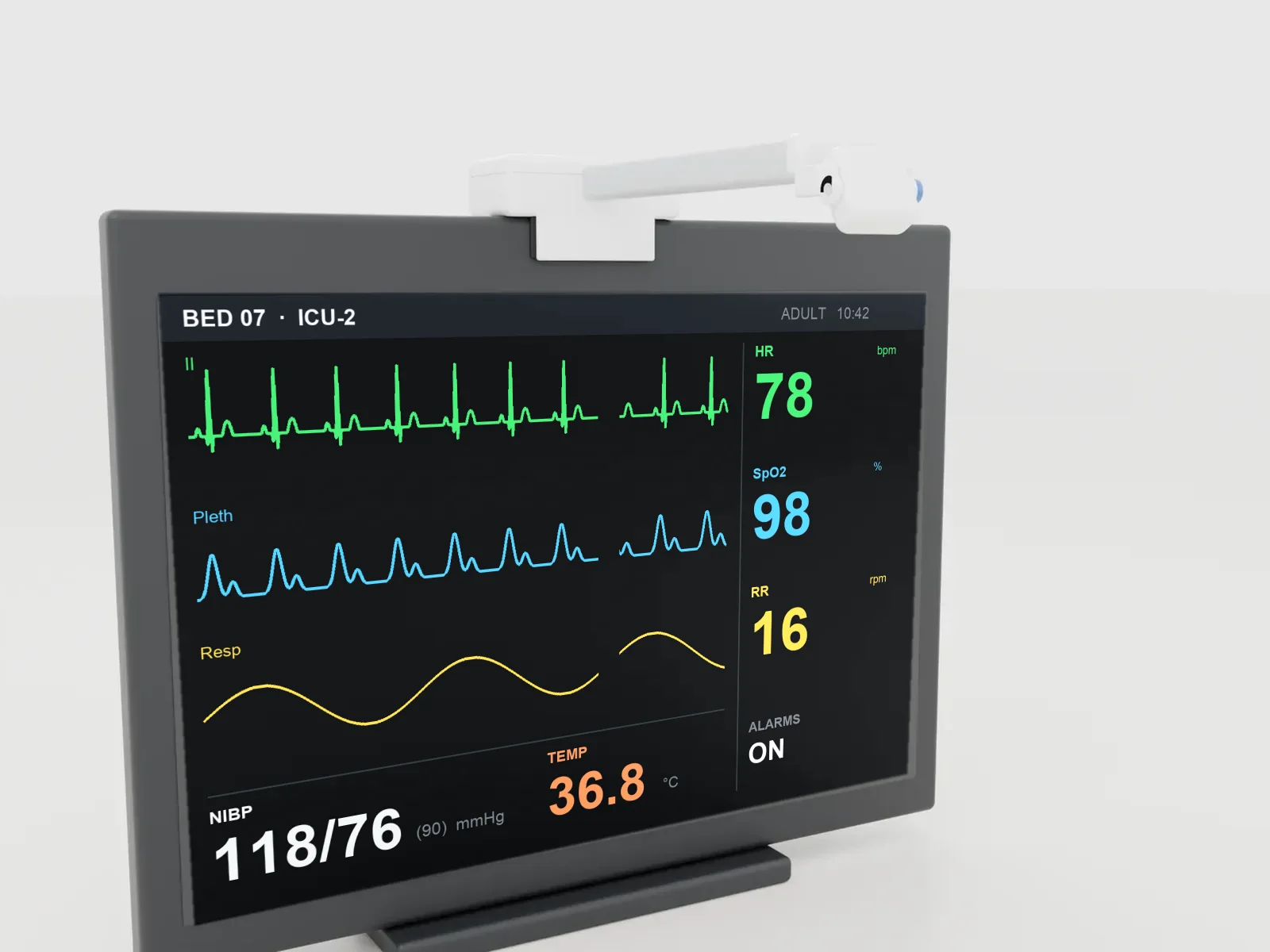
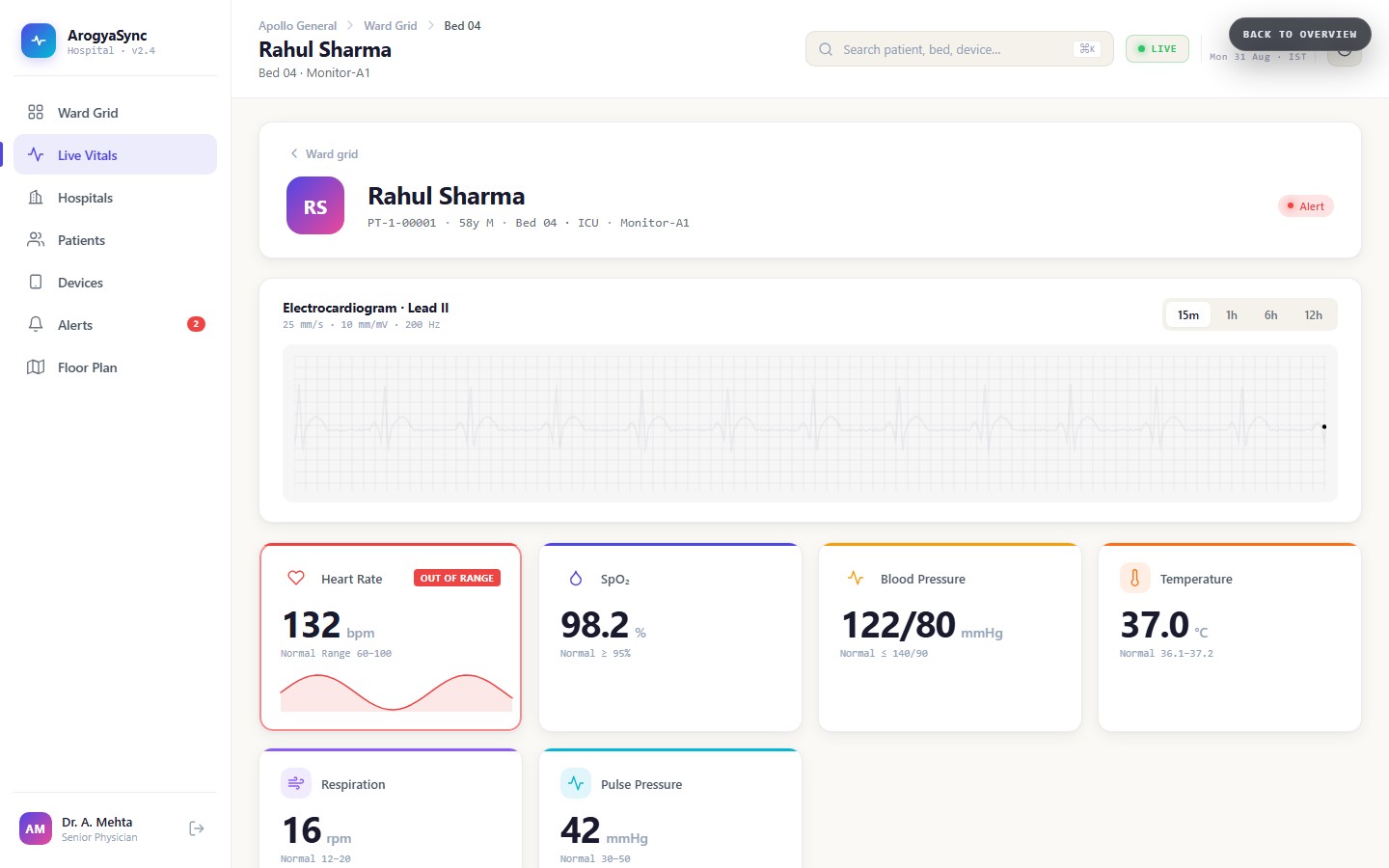
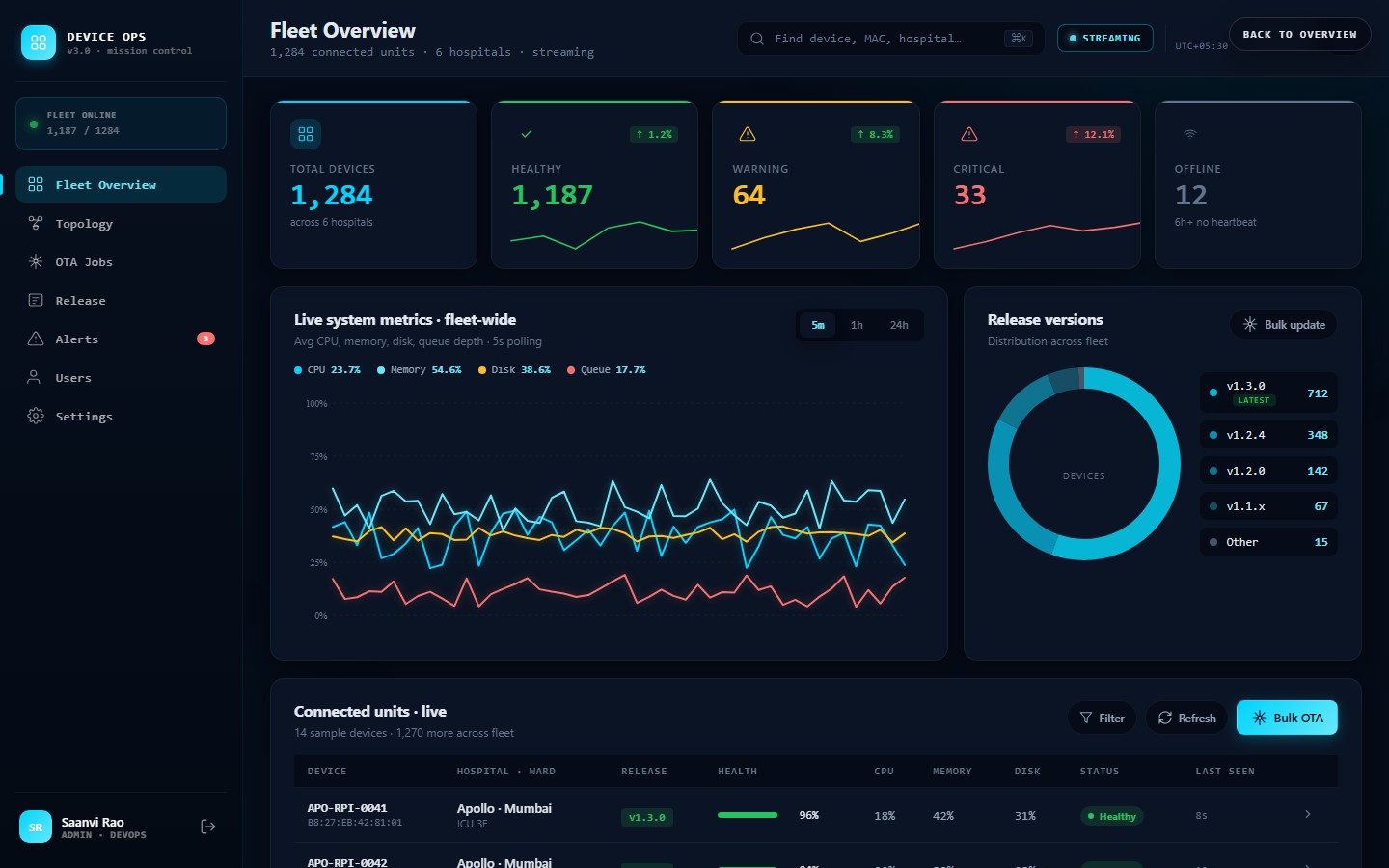
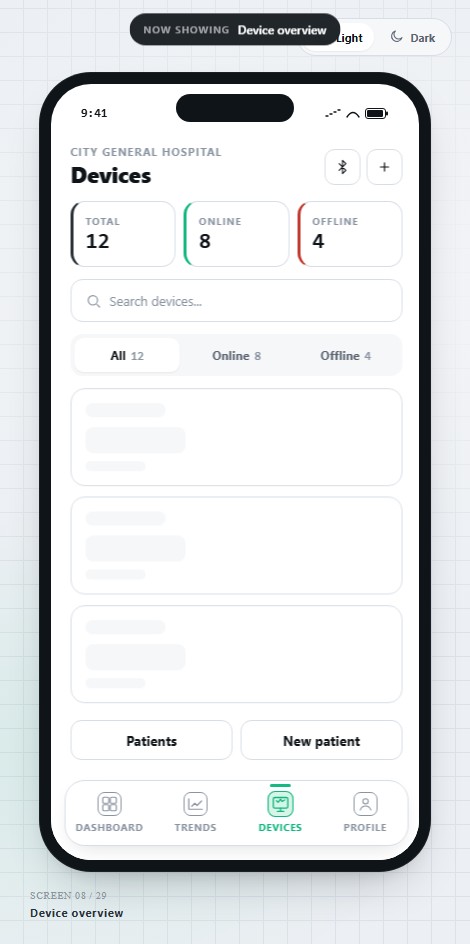
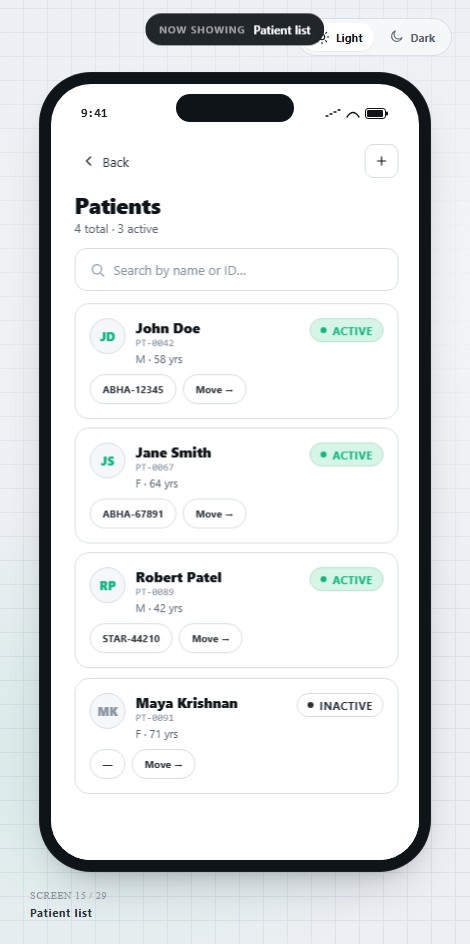
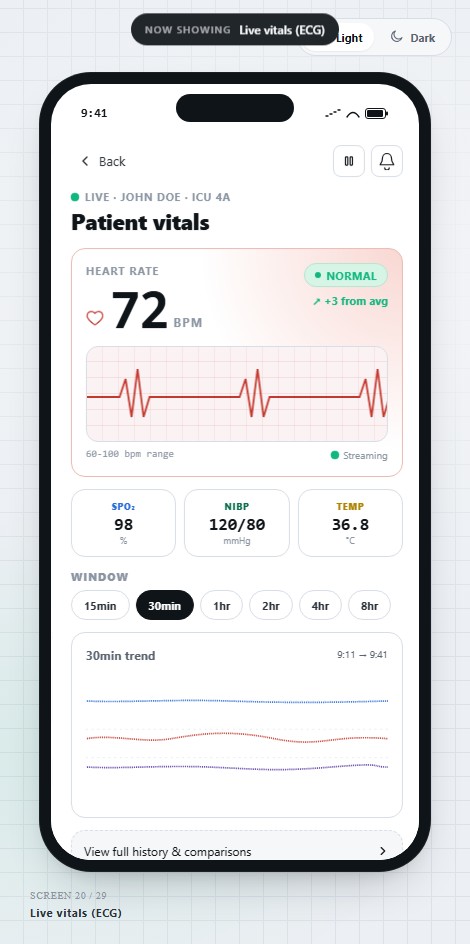
ArogyaSync activates the monitors hospitals already own. The system uses an edge capture device to read bedside displays, normalize vital-sign data, stream it securely and give care teams bed-level visibility while keeping the native monitor and alarm system in place.
The problem
Hospitals already own bedside monitors, but many of those monitors stay disconnected from EMRs, dashboards and audit trails.
Evidence and limitations
Pilot, still running: 10 beds across 2 hospital and clinic sites, on Philips and GE bedside monitors. Capture has also been tested on Mindray and Niscomed monitors. A camera reads the monitor screen, so it does not depend on a vendor protocol; other brands, such as Nihon Kohden and Dräger, have not been tested yet. Reading accuracy has not yet been independently validated.
Data and security
Hosted on Google Cloud in Mumbai with a PostgreSQL database; the bedside device keeps readings in an encrypted local store until they sync. Personal fields are encrypted with AES-256-GCM, sign-in uses multi-factor authentication with role-based access, and access is written to an audit log. Consent is recorded, and a patient's data can be exported or deleted on request.
What changed.
A retrofit edge layer that reads existing monitor displays, structures vitals and routes them into clinical workflows without replacing the monitor.
10
Beds in the pilot
2
Hospital and clinic sites
4
Monitor brands tested
What we did.
Motion & animation.
Built with
Software & AI engineering: scope & process →
Devices & IoT engineering: scope & process →
Websites, brand & search: scope & process →
Building something like ArogyaSync?
Talk to a founder. Send a short brief or book a 30-minute call; a founder replies within one working day (IST).
→ Next project.
FactoryOS
VarVik's modular operating system for factories and MSMEs, customised to each client's workflows and operations.
2026